


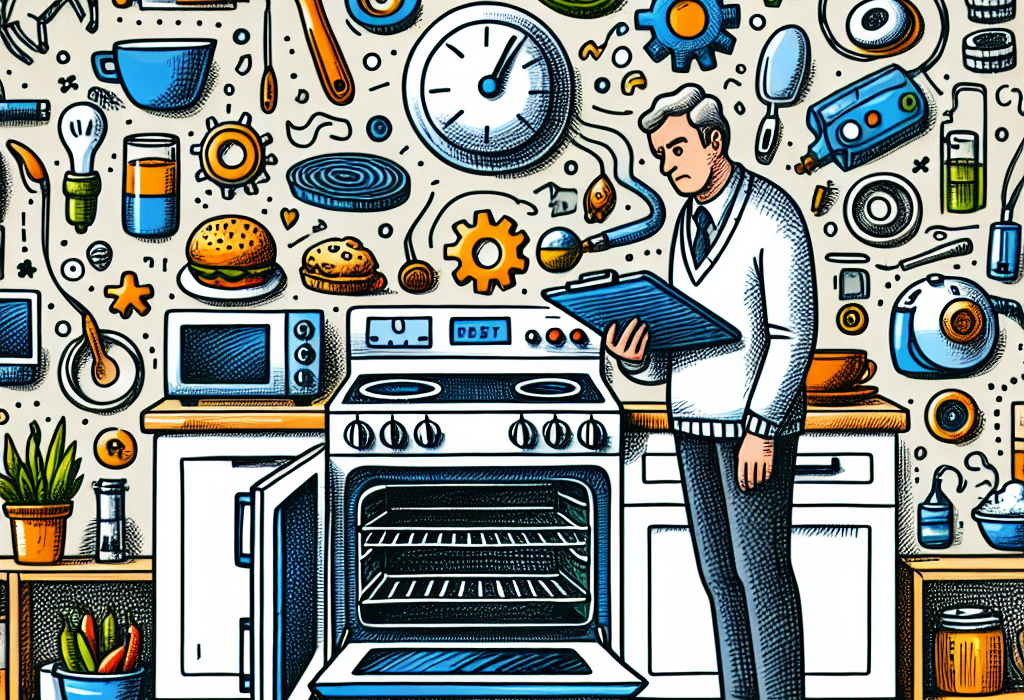
Each of us has at least once faced a situation when you need to prepare a delicious dish, and your favorite electric oven suddenly refuses to work. This can happen at the most inappropriate moment – before holidays, when guests are expected, or simply while preparing a family dinner. Problems with electric ovens occur quite often, but many of them can be solved independently, without calling a technician and without spending extra money on repairs.
Understanding the main causes of malfunctions will help you quickly identify the problem and find the best way to solve it. Some breakdowns really require professional intervention, but many problems can be eliminated on your own, having basic knowledge about the structure and operating principles of an electric oven.
Most common causes of electric oven breakdowns
When an electric oven doesn’t turn on, it’s priority to check the connection to the power grid. Often the problem lies in a faulty outlet, damaged power cord, or automatic circuit breaker tripping in the electrical panel. These problems may seem obvious, but they are often overlooked during initial diagnostics.
If the electric oven doesn’t heat, most likely one or several heating elements have failed. The upper and lower heating elements can burn out due to voltage fluctuations, intensive use, or natural wear. The problem could also be a faulty thermostat, which controls the temperature inside the chamber.
Problems with the electronic control board can also cause the oven to stop responding to commands. This is especially relevant for modern models with touch controls. Sometimes it’s enough to restart the system by disconnecting the appliance from the network for a few minutes.
Clogged ventilation openings and accumulation of grease on internal surfaces can cause overheating of the appliance and its emergency shutdown. Regular cleaning of the oven will help avoid such problems.
How to independently identify an oven malfunction
Before disassembling the appliance or calling a technician, conduct a simple diagnostic. First, make sure the oven is properly connected to the network. Check if the circuit breaker has tripped, if the plug or outlet is damaged. Try connecting another electrical appliance to the same outlet – this will help rule out power supply problems.
If the power supply is fine, but why the oven doesn’t turn on remains a question, pay attention to indicators and display. Are there any error messages? Do the control lights illuminate? The absence of any signs of life may indicate a serious electronic malfunction.
To check the heating elements, turn the oven to maximum temperature and observe. Properly functioning heating elements should heat up and emit heat. If one of the elements remains dark and cold, it most likely needs replacement.
Pay attention to unusual sounds during operation – crackling, humming, or clicking may indicate specific problems. Also check if the oven door closes properly – damaged seals or deformed hinges can lead to heat loss and ineffective operation of the appliance.
Based on the article topic “Why is the electric oven not working?”, the most relevant link from the Google Sheet is related to household appliances. Since there isn’t a direct link about electric ovens, I’ll choose the one about induction cooktop malfunctions, which is the closest match:
Struggling with your electric oven issues? You might also be interested in: Induction cooktop most common malfunctions – discover similar troubleshooting tips that might help solve your cooking appliance problems!
Methods of Repairing Electric Oven Malfunctions
Once you’ve identified the cause of the problem, it’s time to fix it. Many malfunctions can be fixed independently if you follow safety rules and have basic skills in working with electrical appliances.
If the problem is with power supply, check all connections and replace damaged cords. For faulty heating elements, replace them with ones of similar power and dimensions. Use special cleaners for contacts and internal parts, but remember – always disconnect the oven from the power source before repairs.
| Problem | Possible Solution | Complexity |
|---|---|---|
| Doesn’t turn on | Check power supply, replace fuse | Low |
| Doesn’t heat | Replace heating element, repair thermostat | Medium |
| Overheating | Clean ventilation, replace sensors | Low |
Main steps for DIY repair:
- Disconnect the oven from the power supply and let it cool down completely
- Remove the back cover to access internal components
- Visually inspect the condition of wires, contacts, and heating elements
- Replace damaged parts with original or compatible alternatives
- Carefully reassemble the oven and test its operation
Tips for Safe Use and Prevention of Electric Oven Failures
The best way to avoid problems with your oven is proper use and regular maintenance. Following simple rules will help extend the life of your appliance and maintain its efficiency.
Regular cleaning of the oven from grease and food residues prevents unpleasant odors and overheating. Use only manufacturer-recommended cleaning agents to avoid damaging the interior coating. Don’t forget to clean the door glass and sealing gaskets.
Stable power supply is critical for oven longevity. Install a voltage stabilizer if your network frequently experiences fluctuations. This will protect electronics and heating elements from premature failure.
Rules for preventing breakdowns:
- Clean the oven after each use while it’s still warm
- Check door seals once a month
- Don’t use the oven for drying items or storing dishes
- Perform deep cleaning of all internal surfaces every six months
- Refer to the manufacturer’s instructions when in doubt
Remember that some repairs are better left to professionals, especially those involving complex electronics or gas components. Don’t risk your safety to save money – sometimes it’s better to pay for quality repairs than to buy a new oven.
Conclusion
Problems with an electric oven don’t always mean expensive repairs or the need to purchase a new appliance. Many malfunctions can be diagnosed and fixed independently if you have basic knowledge and follow safety rules. The main thing is not to rush to conclusions and carefully check all possible causes of failure before beginning repairs.