


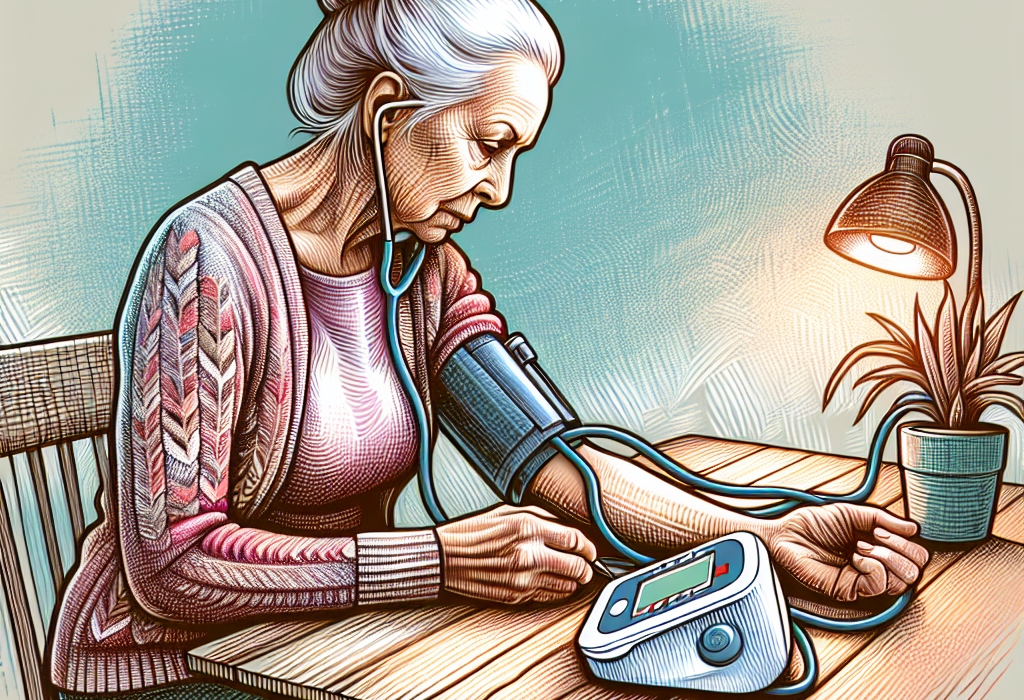
Blood pressure is one of the most important health indicators that can tell a doctor more than a dozen other tests. Regular blood pressure monitoring is especially important for people with cardiovascular diseases, diabetes, or kidney problems. But to ensure results are accurate and useful for diagnosis, you need to know how to properly measure blood pressure with an electronic blood pressure monitor. Even the most expensive device can show incorrect data if you use it improperly. In this article, we will examine all aspects of measuring blood pressure using an automatic blood pressure monitor – from preparation to interpretation of the obtained results.
The Importance of Correct Blood Pressure Measurement
Blood pressure is the force with which blood pushes against vessel walls. High blood pressure (hypertension) often proceeds without symptoms but can lead to serious complications: heart attack, stroke, kidney failure. Low blood pressure (hypotension) causes dizziness, weakness, and may indicate heart problems or hormonal imbalance.
Knowing how to measure blood pressure with a blood pressure monitor is important for several reasons:
First, it helps to detect deviations from the norm in time and seek medical help. Second, for people already taking blood pressure medication, regular measurements help evaluate therapy effectiveness. Third, home measurements often provide a more accurate picture than one-time doctor visits, where readings may increase due to stress (“white coat syndrome”).
Normal readings are considered to be around 120/80 mmHg, but each person has their individual norms determined by a doctor. That’s why it’s important to know how to use a blood pressure monitor correctly to ensure the obtained data is reliable.
Preparation for Measuring Blood Pressure with an Automatic Blood Pressure Monitor
Before learning how to measure blood pressure with an electronic blood pressure monitor, you should properly prepare for the procedure:
1. Choose the right time. It’s best to measure blood pressure in the morning (before taking medication) and in the evening. Avoid measurements immediately after physical exercise, emotional stress, eating, or consuming caffeinated drinks.
2. Prepare physically. Don’t smoke, drink coffee, or strong tea 30 minutes before measurement. Empty your bladder before the procedure (a full bladder can increase readings).
3. Take the correct position. Sit comfortably at a table with back support. Place the arm you’ll put the cuff on at heart level on the table. Relax and sit quietly for 5 minutes.
4. Put the cuff on correctly. Free your arm from clothing or roll up the sleeve so it doesn’t compress. The cuff should be 2-3 cm above the elbow bend. Don’t put it over clothing! There should be space for 1-2 fingers between the cuff and arm.
5. Check the device. Make sure the blood pressure monitor works properly: batteries are charged, the device is configured and ready for use. Some models require calibration, so read the instructions carefully before first use.
Following these simple preparation rules, you can obtain the most accurate blood pressure readings, which is especially important for people with chronic conditions requiring regular monitoring.
Looking for more health-related content? Check out our detailed guide: How to repair a Bioptron yourself
Steps and Recommendations for Accurate Blood Pressure Measurement
Knowing how to use an automatic blood pressure monitor, you can get reliable health indicators. The measurement process consists of several simple but important steps:
1. Turn on the device. Press the “Start” or “Power” button on your blood pressure monitor.
2. Sit still. Do not talk or move during measurement as this may affect accuracy.
3. Wait for complete completion. The cuff will first inflate and then gradually release air. When you hear a beep and see numbers on the display – the measurement is complete.
4. Record the results. Write down both readings – systolic (upper) and diastolic (lower) pressure, as well as pulse. Keeping a diary will help track dynamics.
5. Take a repeat measurement. For greater accuracy, it is recommended to take 2-3 measurements with an interval of 1-2 minutes and take the average.
For the most accurate results, follow these recommendations:
- Measure pressure on the same arm (usually the left is recommended)
- Take measurements at the same time of day
- Measure pressure for several days before important medical consultations
- Use a blood pressure monitor with appropriate cuff size
Common Mistakes and Ways to Avoid Them When Measuring Blood Pressure
Even knowing how to properly measure blood pressure with a monitor, many people make mistakes that affect the accuracy of results. Here are the most common ones:
| Mistake | Consequences | How to Avoid |
|---|---|---|
| Incorrect arm position | Elevated readings | Keep arm at heart level |
| Measuring after physical exertion | Increased readings | Rest for 30 minutes before measuring |
| Too tight cuff | Elevated readings | Choose appropriate cuff size |
| Talking during measurement | Distorted results | Maintain silence and calm |
| Ignoring repeat measurements | Inaccurate conclusions | Take 2-3 measurements with intervals |
Common mistakes to avoid:
- Measuring blood pressure immediately after a stressful situation
- Tightening the cuff too much or too loosely
- Placing the cuff on a bent arm
- Measuring through clothing
- Ignoring specific device instructions
If you notice that readings fluctuate significantly during repeated measurements, check the condition of your blood pressure monitor. The device might need calibration or battery replacement. Modern automatic blood pressure monitors typically last 5-7 years, after which accuracy may decrease.
Conclusion
Now you know how to properly measure blood pressure with an automatic monitor and can independently monitor your health. Regular measurements at home will help you and your doctor better understand your cardiovascular system’s condition and the effectiveness of prescribed treatment.
Remember that a blood pressure monitor is an aid in maintaining health, not a replacement for doctor visits. If you regularly record high or low pressure, be sure to consult a specialist. Timely diagnosis and treatment of hypertension or hypotension will help avoid serious health consequences.
Take care of yourself and monitor your blood pressure regularly, as this is one of the simplest ways to prevent serious cardiovascular diseases.


