


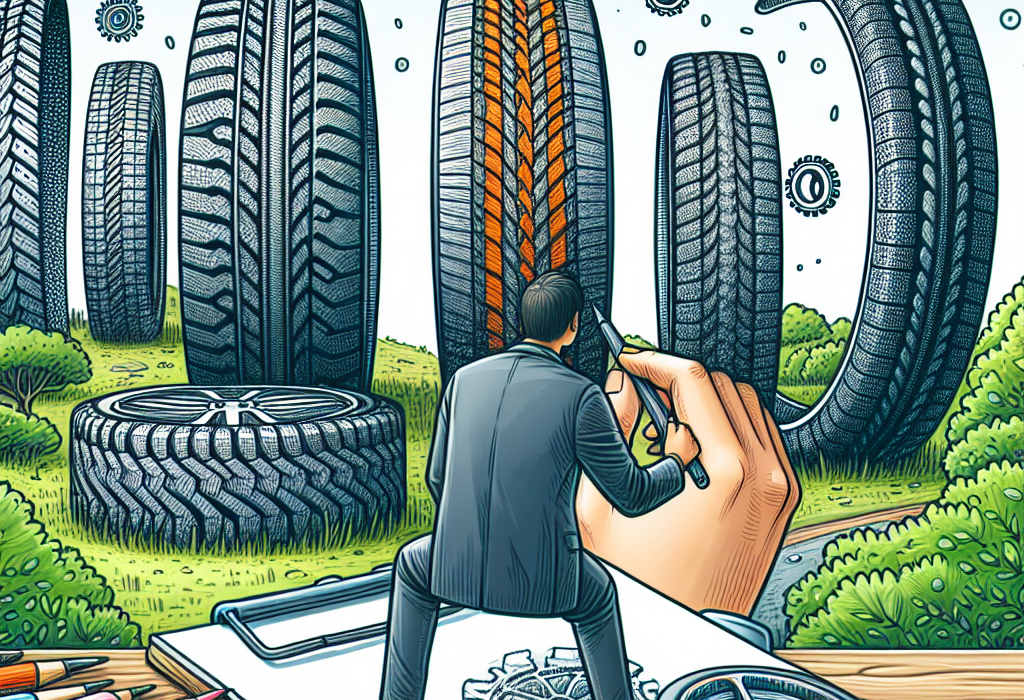
All drivers know that tires are the car’s point of contact with the road, and their condition directly affects driving safety. One of the most important indicators is the summer tire tread depth, which is directly responsible for road surface grip. Even experienced drivers may underestimate the importance of proper selection and control of this parameter. In this article, we will examine what the minimum summer tire tread should be, why it’s important, and how to properly choose and maintain tires in good condition.
The Importance of Choosing Optimal Tread Height for Summer Tires
When buying new summer tires, the first thing to pay attention to is the new summer tire tread height. In new models, this indicator usually ranges from 7 to 9 mm, depending on the manufacturer and model. This parameter isn’t random, as it’s calculated by engineers to provide an optimal balance between grip, wear resistance, and driving comfort.
Many drivers mistakenly believe that the deeper the tread, the better the tire will grip the road. However, this only works to a certain extent. Too deep tread on summer tires can lead to rubber overheating at high speeds and increase fuel consumption due to higher rolling resistance. Usually, what height of new summer tire tread will be optimal can be learned from manufacturer documentation or from a qualified seller.
It’s worth remembering that according to Ukrainian legislation, the minimum summer tire tread must be no less than 1.6 mm. If this indicator is lower, using such tires is considered dangerous and prohibited. Meanwhile, many safety experts recommend replacing summer tires when the tread becomes less than 3 mm, as it’s after this mark that wet road grip significantly deteriorates.
How Tread Height Affects Safety and Energy Efficiency
Tread height directly affects your safety level behind the wheel. The main task of the tread is to effectively channel water from under the tire while driving on wet asphalt, preventing the dangerous phenomenon of aquaplaning. The deeper the tread, the better it handles this task. That’s why summer tire tread depth is critically important for safety in rainy weather.
However, during the summer period, we also value efficiency. Tires with optimal tread height (neither too high nor too worn) provide the best energy efficiency. It’s established that worn tread can reduce fuel consumption by 3-5%, but seriously worsens road grip, especially during rain. New tires with new summer tire tread height within 7-9 mm provide the best compromise between safety and efficiency.
It’s also important to understand that tread height affects tire noise. Tires with deeper tread usually create more noise while driving, which can be an additional factor when choosing tires for those who value comfort and cabin quietness. Worn tires approaching the minimum summer tire tread may seem quieter, but it’s not worth the risk to your safety.
Looking for more automotive insights? Check out our related article: How often do you need to change the oil in a car. Proper maintenance is key to vehicle safety, just like monitoring your tire tread depth!
Tips for Checking and Maintaining Proper Tread Depth
Regular tire inspection is crucial for your road safety. There are several simple ways to check summer tire tread depth that don’t require special skills or expensive equipment.
Most common methods for checking tread depth:
- Using a special tread depth gauge — the most accurate method
- Checking with a coin — insert a hryvnia coin into the tread; if the entire trident is visible, it’s time to change tires
- Tire wear indicators — most modern tires have special marks that become visible when the tread reaches minimum level
- Visual inspection — regularly check tires for uneven wear and damage
For even tread wear, it’s recommended to rotate tires every 8-10 thousand kilometers. This will extend tire life and maintain optimal tread depth longer. It’s also important to maintain recommended tire pressure — both low and high pressure can lead to uneven tread wear.
Common Mistakes When Choosing and Using Summer Tires with Different Tread Depths
Even experienced drivers sometimes make mistakes that can reduce tire life and compromise driving safety. It’s important to understand which mistakes are most commonly made when choosing and using summer tires.
| Common Mistake | Consequences | Recommendations |
|---|---|---|
| Insufficient attention to minimum tread | Increased braking distance, risk of aquaplaning | Regularly check tread depth |
| Using tires with different tread depths | Unstable vehicle behavior, uneven wear | Replace all four tires simultaneously |
| Saving on quality tires | Faster wear, worse road grip | Choose tires from known manufacturers |
| Ignoring seasonal rules | Increased wear, deteriorated handling | Replace winter tires with summer ones timely |
Most common mistakes when using summer tires:
- Ignoring first signs of tread wear — noise, vibrations, deteriorated handling
- Improper tire storage between seasons
- Using tires that don’t match vehicle manufacturer recommendations
- Ignoring tire manufacturing date when purchasing
Proper tire selection by size and type, according to vehicle manufacturer recommendations, also affects their even wear and service life.
Conclusion
Summer tire tread depth is not just a technical parameter but an important safety element. Regular tire monitoring and timely replacement will help avoid dangerous road situations. Remember that the legally established minimum summer tire tread of 1.6 mm is the ultimate limit after which tire use is prohibited.
For personal safety, experts recommend not wearing tread down to the minimum value and replacing summer tires when tread depth reaches 3 mm. This approach will ensure optimal road grip in any weather conditions and reduce accident risks. Investing in quality tires and proper care is an investment in your safety and comfort.